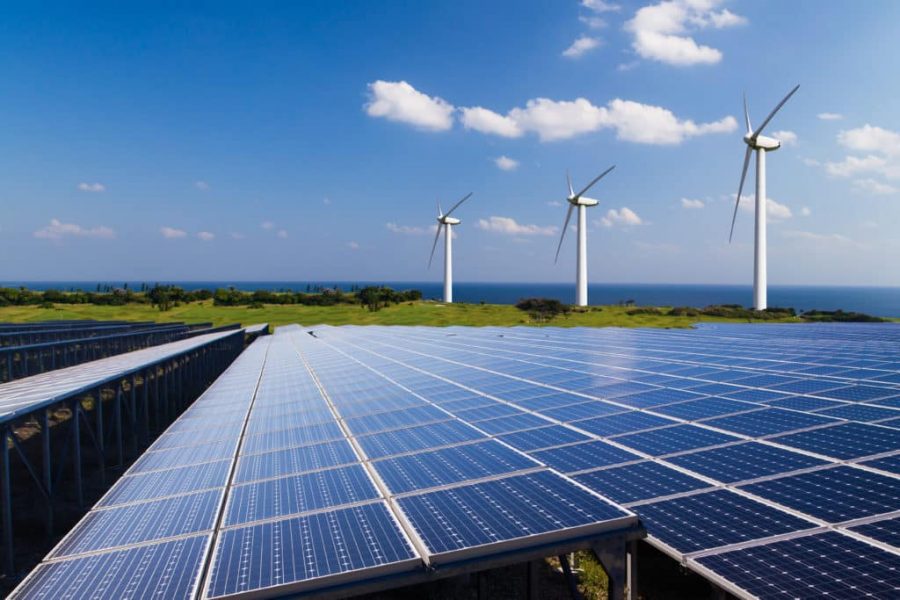

Innovate UK is offering grants of over £2 million for projects that will improve access to clean energy in ODA-eligible countries in sub-Saharan Africa, South Asia, the Indo-Pacific regions and Latin America.
This is via round 11 of the Energy Catalyst competition, which has a deadline of 25 March at 11 am.
To find out if you’re eligible, book your free, no-commitment Eligibility and Competitiveness Assessment. In just 30 minutes, I’ll tell you:
- Whether you’re a strong candidate for this competition
- Other grants you may be eligible for
- What other sources of funding we can help you secure
Who is eligible for the Energy Catalyst?
Your project
To apply for Round 11 of the Energy Catalyst, your project must
Help to deliver clean energy access in an ODA-eligible* country in sub-Saharan Africa, South Asia, the Indo-Pacific region and Latin America
Involve testing in the country
Have total costs of between £50,000 and £5 million
Start from 1 August 2026, end by 31 March 2030, and last no more than 36 months.
ODA-eligible means countries eligible to receive official development assistance from OECD nations.
Your organisation and partners
Your project team must include:
At least one partner with a legal entity in an ODA-eligible country. This can include in-country offices
A UK-registered administrative lead (this can be you or a partner organisation if you’re based outside the UK)
At least one SME* from anywhere in the world
At least one legally separate collaborator
*Read the official definition of micro, small, medium and large businesses.
The three strands of the competition
Round 11 of the Energy Catalyst is split into three strands, separated by the type of project you’re looking to complete. Here are the key differences.
| Strand | Type of Project | Max. Grant (as a Business) | Total Project Costs | Project Duration |
|---|---|---|---|---|
| Early-Stage | Feasibility Studies | £210,000 | £50,000 – £300,000 | 3–12 months |
| Mid-Stage | Industrial Research | £1.05 million | £50,000 – £1.5 million | 6–24 months |
| Late-Stage | Experimental Development | £2.25 million | £250,000 – £5 million | 6–36 months |
What the different project types mean
Feasibility Studies: Feasibility studies determine whether an early-stage technology works in laboratory or simulated conditions.
Industrial Research: Testing how a product, system or component operates in the laboratory or a simulated environment.
Experimental Development: Helping organisations make further technical improvements to advanced products, processes or services by testing them in environments that represent real-world conditions. Experimental development projects can include prototyping, demonstrating and piloting.
How much funding can I apply for?
The size of grant you can apply for depends on whether the work of your organisation is commercial or economic (i.e. generates revenues) or non-economic (such as a charity or university).
Funding for economic organisations (i.e. businesses)
As a business, you can apply for up to a certain share of your eligible project costs. This percentage depends on which strand you’re applying for and your company’s size.
| Strand | Micro and Small | Medium | Large |
|---|---|---|---|
| Early-Stage | 70% | 60% | 50% |
| Mid-Stage | 70% | 60% | 50% |
| Late-Stage | 45% | 35% | 25% |
So, if you’re a medium-sized business applying to the mid-stage strand, you could secure a grant worth up to 60% of your project costs.
This means the largest grant you could apply for is 60% of the maximum project size of £1.5 million, which works out to £900,000.
Funding for non-economic organisations
As a non-economic organisation, your work can account for up to 30% of the project’s total eligible costs. Of that 30%, you can apply for a grant covering:
100% of your costs as an RTO, charity, not-for-profit, NGO, or public sector organisation
80% of your full economic costs if you are Je-S registered (e.g. a university)
How do I apply for the Energy Catalyst?
Applications are the responsibility of the UK administrative lead. They will need to collect information from the relevant partners and submit the finished application on the Innovation Funding Service (IFS) portal.
The application has three sections:
Project details – This provides background on your application and is not scored
Application questions – This contains 24 questions about your project and is where you’ll need to spend most of your time. The first 11 questions are not marked but provide valuable context for your assessors.
- Finances – This is where each organisation details their project costs and funding information. Academic institutions must complete and submit a Je-S form.
Let GrantTree maximise your funding chances
If you’re working on a project which can improve energy access for people in ODA-eligible companies, this competition is a fantastic opportunity to secure a generous grant to ramp up your work.
GrantTree’s grant funding experts can give you the best possible chance of success in what is likely to be a highly competitive process.
From writing your grant from scratch to giving you one or more rounds of detailed feedback on an application you’re writing yourself, we offer services to suit a wide range of budgets and levels of experience.
To find out how we could help you secure up to £2.25 million in grant funding for your business, just get in touch.